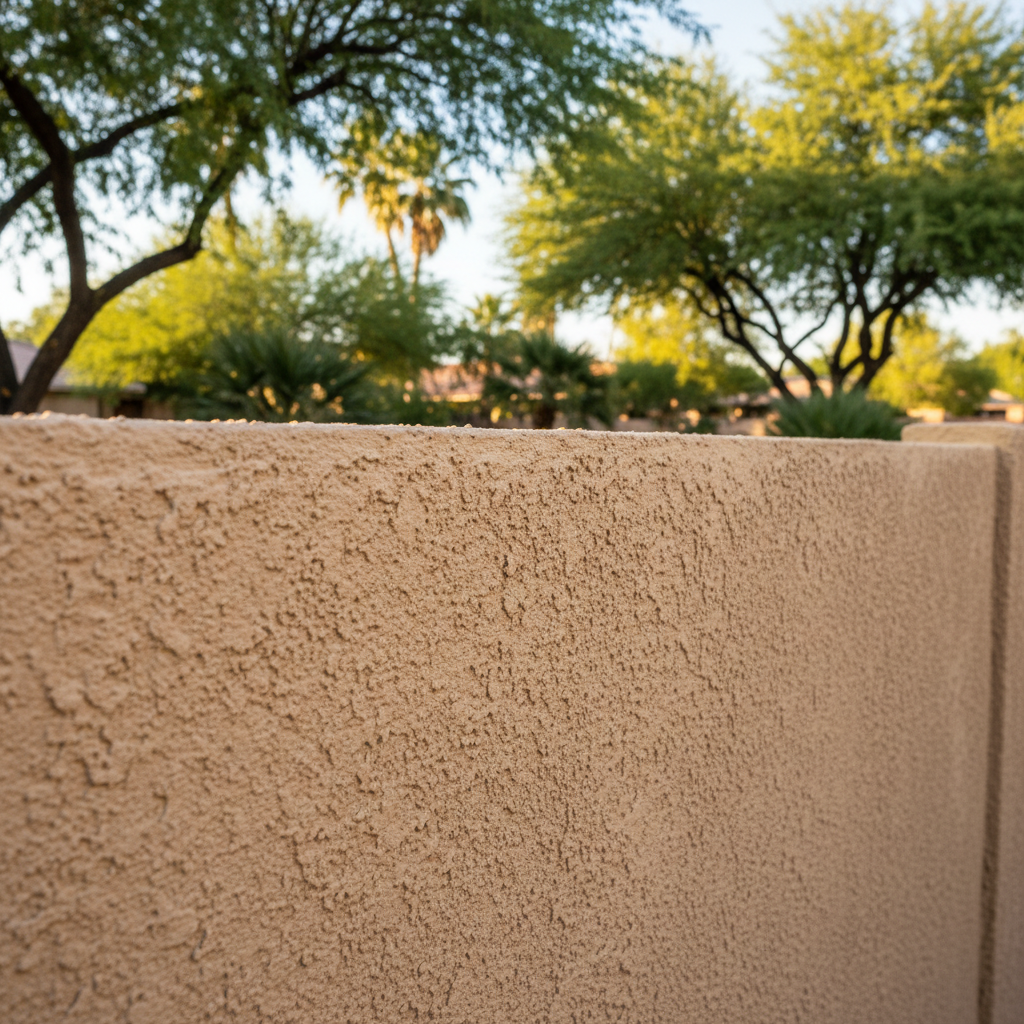
So, you're thinking about ripping off that old stucco, huh? Maybe you want a fresh look, or you've got some serious damage that feels like it needs a total tear-down. Whatever your reason, let me tell you, stucco removal isn't a weekend project for the faint of heart. I've seen plenty of folks jump into this job only to realize they're way over their heads. Let's really dig into what you need to know.
Before You Even Think About It: Planning & Prep
First things first: why are you even taking it off? If it's just a small damaged spot, you might be better off with a repair or a redash, not a full removal. Honestly, a lot of the time, what looks like a huge problem can be fixed without tearing everything down. But if you're dead set on a full removal, you've got some serious homework ahead.
- Know What's Hiding Underneath: This is, like, super important. Is there old wood siding? Brick? Block? What you find will totally change your next steps and how much work this whole thing will be. Sometimes, people uncover a nightmare of rot or unexpected materials that make the entire project way more complicated. You might want to do a small test patch removal in a hidden spot just to peek.
- Permits: Swing by the City of Surprise building department. For a big exterior change like this, you'll probably need a permit. Don't skip this step; fines are no fun, and you want to make sure your work follows local codes.
- Safety First: No kidding. We're talking about dust, falling debris, sharp edges, and possibly working up high. You'll definitely need good eye protection, heavy gloves, a dust mask (or even a respirator, especially if you think there might be lead paint or asbestos in older stucco – though that's less common with modern stuff, it's worth considering for really old homes), and sturdy shoes. Cover up nearby plants and anything else you don't want coated in dust.
- Tool Up: You're going to need more than just a hammer, trust me. Think pry bars, chisels, sledgehammers, maybe a jackhammer for those really stubborn spots, and a good wheelbarrow or debris chute for hauling away all the mess.
The Nitty-Gritty: DIY vs. Pro
Here's where you really need to be honest with yourself about your skills and, well, your energy levels.
What You CAN Probably Do Yourself (if you're careful):
- Small, Isolated Sections: If it's a tiny area, say a few square feet around a window you're replacing, and you know for sure what's underneath is solid, you can probably tackle this. You'd carefully score the stucco around the repair area, then use a hammer and chisel to break it away.
- Cleaning Up Debris: Even if you hire pros for the heavy lifting, you can save some cash by handling the cleanup and disposal of the stucco rubble. Just be ready for how much it weighs and how much dust it kicks up.
- Surface Prep for New Siding: Once the stucco is off, you might be able to handle some of the basic prep work for whatever new siding is going on. Things like pulling old nails or light sanding are fine, but leave anything structural to the experts.
When to Absolutely Call a Pro (like Skyline Stucco Solutions):
- Whole House Removal: This just isn't a DIY job. Period. It's incredibly labor-intensive, dangerous, and needs specialized equipment. You'll be dealing with tons of debris, potential structural problems, and the need to protect the underlying structure from weather right after removal.
- Multi-Story Homes: Working on ladders or scaffolding for long periods is just plain risky. Professionals have the right safety gear and the experience to work at height both efficiently and safely.
- Suspected Underlying Damage: If you're removing stucco because you think there's water damage, rot, or pest infestations underneath, you absolutely need a professional. They can figure out how bad the damage is, make structural repairs, and make sure your home is sound before any new siding goes on.
- Time Constraints: A full stucco removal could take weeks for a homeowner. Pros can knock it out in days, which means your home isn't exposed to the elements for as long, and your project keeps moving.
- Unknown Substrate: If you have no idea what's under your stucco, or if you find something unexpected like old plaster or multiple layers of previous siding, a pro can identify it and tell you the best way forward without causing more damage.
- Asbestos Concerns: For homes built before the late 1970s, there's a small chance the stucco might contain asbestos. If you even suspect this, DO NOT touch it. Call a certified asbestos removal specialist right away.
After the Stucco is Gone: What's Next?
Once that old stucco is off, your house is exposed. This is critical in Surprise, especially with our intense summer heat and those monsoon storms. You can't leave the underlying sheathing exposed for long, can you? You'll need to get a weather-resistant barrier (WRB) up quickly – think house wrap or building paper – to protect your home from moisture and the elements.
Then comes the big decision about your new exterior. Are you putting up new stucco? Siding? Stone veneer? This is where good planning really pays off. Make sure whatever you're putting on next is installed correctly to prevent future issues. If you're going with new stucco, that's where a company like Skyline Stucco Solutions really shines, making sure you get a proper, durable application that'll last for decades in our Arizona climate.
Look, I get the urge to save a buck and do things yourself. But some jobs are just too big, too complicated, or too risky for a typical homeowner. Stucco removal, especially a full tear-off, is one of those. Be smart, be safe, and know when to call in the folks who do this for a living.