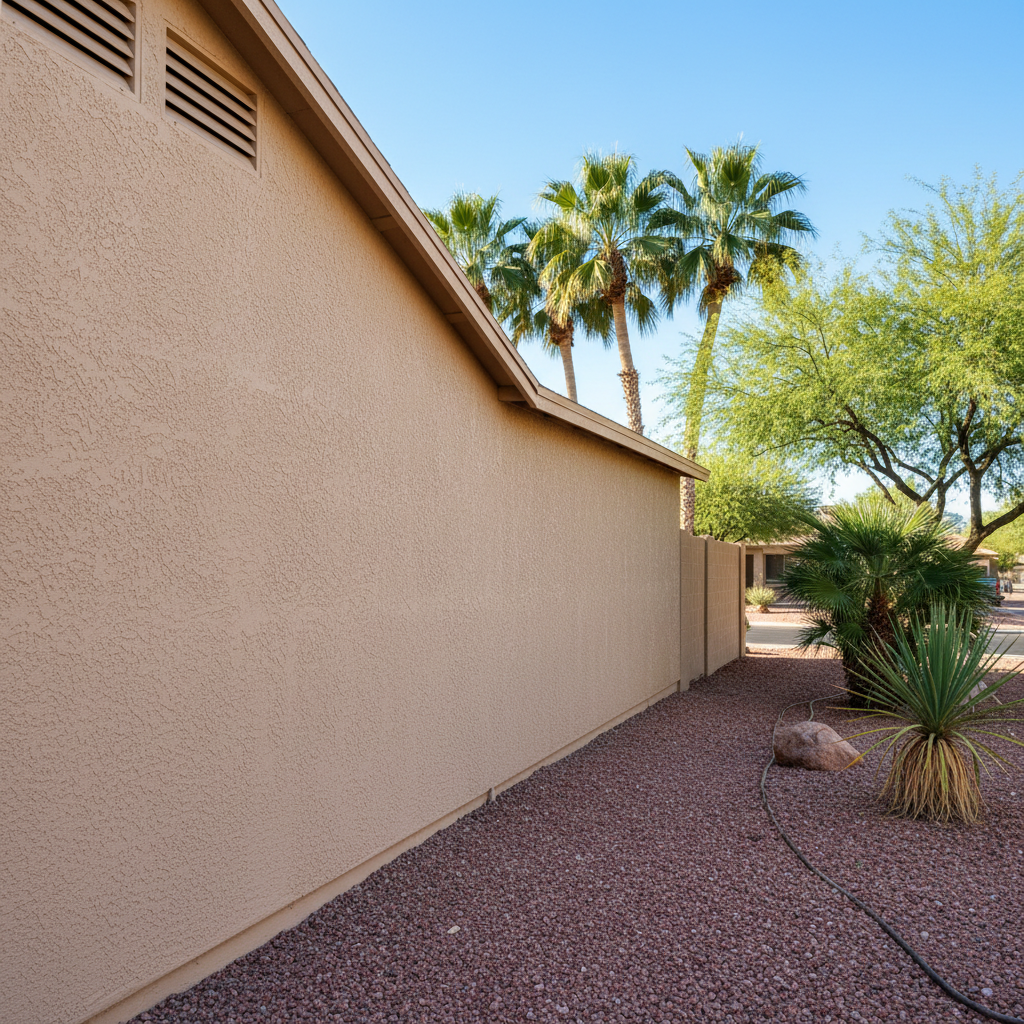
So, you've put money into stucco repair for your Surprise home. Smart move. Whether it was just a tiny crack or a bigger patch job, you want that fix to actually last, right? It's not just about how good your house looks; it's really about keeping your home safe from our brutal Arizona sun and those sudden monsoon downpours. Honestly, I've seen too many folks think a repair is a "set it and forget it" kind of deal, and that's just not how it works, especially out here.
Making Your Stucco Repair Last Longer
The biggest thing you can do to help your stucco repair stick around is to shield it from water. Our dry climate might make you think water isn't a huge deal, but when it does hit, it hits hard. And often, water is what caused the initial damage anyway. Once a repair is finished, you really want to make sure water can't sneak behind it or just sit on it. That means having good drainage around your foundation and checking that your sprinklers aren't constantly drenching your walls.
Another key factor is proper curing. If we at Skyline Stucco Solutions did the repair for you, we definitely made sure it was done correctly. But if you tackled some DIY patching, did you let it cure long enough? That's super important for strength and how well it sticks. Once it's cured, a good quality elastomeric paint or a sealant made for stucco can add an extra protective layer. This isn't just for color; it's about flexibility and keeping water out, which is a huge deal when our temperatures can swing 40 degrees in a single day.
Regular Stucco Care in Our Desert Climate
Taking care of stucco in Surprise isn't rocket science, but it does need a little bit of attention. Think of it like changing the oil in your car. You wouldn't skip that, would you?
- Keep it Clean: Dust and dirt build up, no surprise there. A gentle rinse with a garden hose once or twice a year can work wonders. If you spot stubborn dirt or mildew (which can pop up on the north side of a house or under eaves where things stay damp longer), a soft brush and a mild detergent solution usually does the trick. Just don't use a high-pressure washer too close; you could damage the finish, especially on older stucco.
- Check Your Gutters and Downspouts: Make sure they're clear and directing water away from your foundation. Clogged gutters can cause water to spill over and run down your stucco, leading to stains and possibly letting moisture get in.
- Trim Landscaping: Keep bushes and trees trimmed back from your stucco walls. They can trap moisture against the surface, scratch it, or even create paths for pests. Plus, they block airflow, which is important for drying out any moisture.
- Inspect Sealants: Take a look around windows, doors, and where different materials meet your stucco. These spots are often sealed with caulk. Our intense sun can dry out and crack caulk over time, creating openings for water. If you see cracks, re-caulk them right away.
These simple steps can save you a lot of headaches and money down the road.
Warning Signs of Stucco Problems
You don't need to be a stucco expert to spot trouble. Just keep an eye out for these things:
- Cracks: Not all cracks are bad. Hairline cracks are pretty normal with stucco, especially with our soil moving around here in places like Marley Park. But if you see cracks wider than a credit card, or if they're in a spiderweb pattern, or if they're horizontal and stretch for a long distance, those are definite red flags.
- Staining: Dark streaks, especially under windows or near the roofline, often mean water is getting in. Green or black spots can indicate mildew or algae, which points to persistent moisture.
- Bulging or Soft Spots: If you press on the stucco and it feels soft, or if you see areas that look like they're bubbling or bulging outwards, that's a serious sign of trapped moisture and potential damage underneath.
- Discoloration or Peeling Paint: While paint can just fade, if you see it peeling or flaking off in big sections, especially after a rain, it could mean moisture is getting behind the paint layer.
If you notice any of these, please don't ignore them. Small problems quickly become big, expensive problems in our climate.
When to Call a Professional
Look, I'm all for homeowners tackling what they can. But some things are just better left to the pros. If you see any of those serious warning signs – wide cracks, soft spots, significant water staining – that's when you give us a call. Also, if you're not comfortable getting on a ladder to inspect higher areas, or if you're just unsure about what's causing a problem, it's always safer to get an expert opinion.
We've got the tools and the know-how to properly figure out the issue and fix it correctly the first time. Trying to patch over a serious moisture problem yourself is like putting a band-aid on a broken leg; it won't fix the real issue and will just cost you more in the long run. We're here to help you keep your Surprise home looking great and protected for years to come. Don't hesitate to reach out if you've got questions or need a hand.