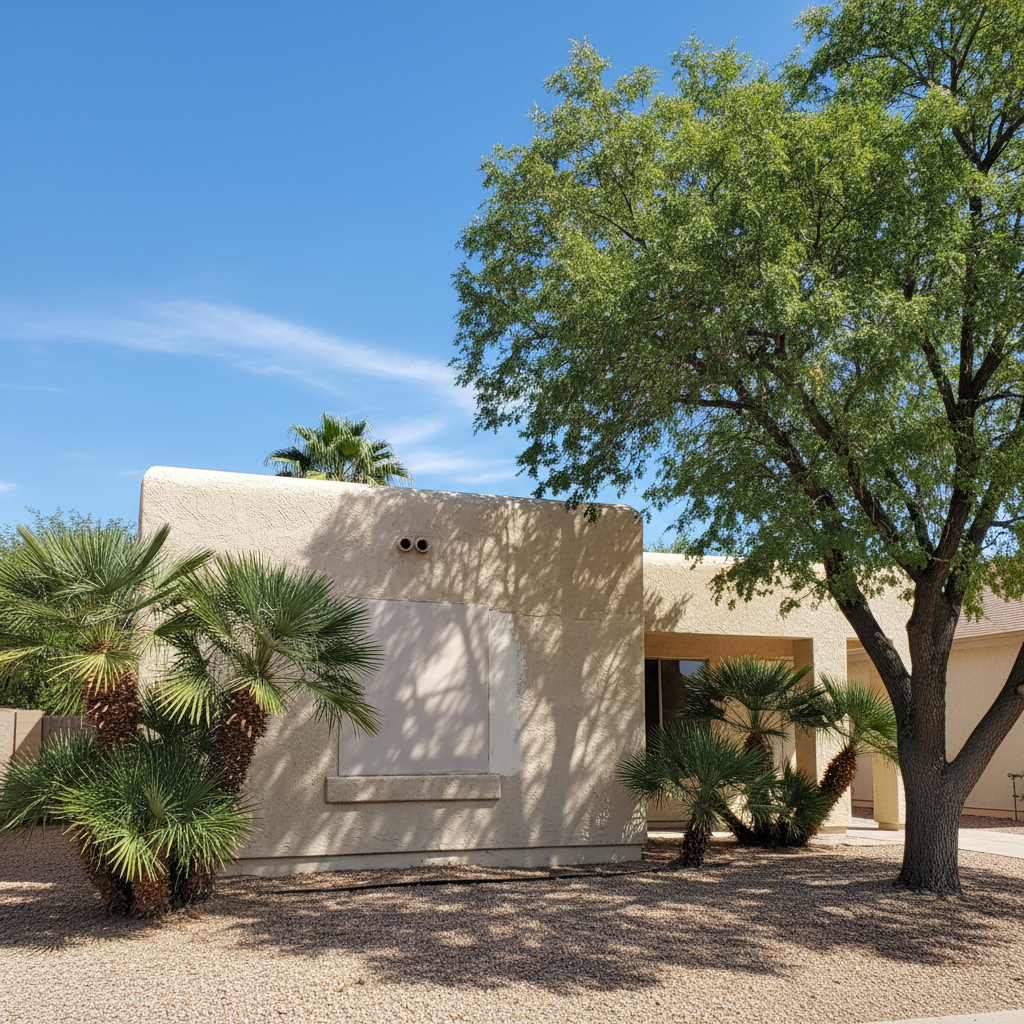
Alright, let's talk about stucco repair here in Surprise. You've got a crack, a chip, maybe some fading, and you're probably thinking, "When's the best time to get this fixed?" It's not just about when you happen to have a free weekend; our Arizona desert climate actually plays a huge role in how well that repair holds up.
Why Surprise Weather Dictates Your Stucco Repair Schedule
You know how it is out here. We swing from scorching summers to mild winters, and that extreme temperature difference—plus our low humidity—really hits building materials hard. Stucco naturally expands and contracts, and those cycles are often what cause cracks in the first place. Trying to do a repair when it's either too hot or too cold can mess with the curing process. And that, unfortunately, means your fix won't last as long as it should.
I've seen it happen too many times: someone tries to patch a crack in July when it's 115 degrees, and the new material dries way too fast, or it just doesn't bond right. Or they wait until December when the temps drop into the 40s, and the stucco takes forever to cure, if it even does properly. What you really want is for that repair to become one with your existing stucco, not just sit on top of it, you know?
The Best Time for Stucco Repairs in Surprise
So, when's the sweet spot? Generally, I tell folks to aim for the shoulder seasons. That means late fall (October, November) or early spring (March, April). During these months, our daytime temperatures are usually in that comfortable 70-80 degree range, and the nights aren't dipping too low. This gives the stucco the ideal conditions to cure slowly and strongly.
- Fall (October-November): This is after the summer heat breaks, but before the real chill sets in. The stucco can dry out nicely without getting baked.
- Spring (March-April): Before the intense summer sun kicks in. You get good, consistent temperatures for proper curing.
Now, sometimes you just can't wait. If you've got a major issue, like water intrusion or a big hole, you need to address it immediately, no matter the season. But for general maintenance and cosmetic repairs, aiming for those milder months is always your best bet for a durable repair.
Weather Conditions That Affect Stucco Work
Beyond just the temperature, there are a few other things we watch out for when we're doing stucco work:
- Direct Sun Exposure: Even in optimal temperatures, direct, intense sun can make drying happen too quickly. We often work on shaded sides of the house or use shade cloths to protect freshly applied stucco.
- Wind: High winds can dry out stucco too fast, leading to cracking or a weaker bond. It can also kick up dust and debris, which isn't great for a fresh surface.
- Rain: This one's pretty obvious, but any significant rain means we can't work. Fresh stucco needs to cure without getting saturated. Even a light drizzle can cause issues. Luckily, we don't get a ton of that here in Surprise, but when monsoon season hits, it's a different story.
- Humidity: While our humidity is generally low, a sudden spike can affect drying times. We're always checking the forecast.
For example, if you live in a community like Marley Park with those beautiful, older homes that often have intricate stucco details, getting the timing right is even more crucial to preserve that unique aesthetic. You certainly don't want a rushed repair ruining the look.
Protecting Your Stucco Investment Year-Round
Once those repairs are done, you'll want to keep your stucco looking good and performing well. Here's how you can protect your investment:
- Regular Inspections: Walk around your house a few times a year. Look for new cracks, chips, or areas where the stucco might be pulling away. Catching small issues early saves you big headaches and money down the road.
- Keep it Clean: Dust, dirt, and even mold (yes, it happens here!) can build up. A gentle wash with a hose and a soft brush can do wonders. Just avoid high-pressure washers, as they can damage the stucco surface.
- Manage Water: Make sure your sprinklers aren't constantly hitting the stucco. Prolonged moisture is stucco's enemy, plain and simple. Check your gutters and downspouts to ensure they're directing water away from your foundation and walls.
- Address Landscaping: Keep plants and shrubs trimmed back from your stucco walls. They can trap moisture, rub against the surface, and even provide pathways for pests.
- Seal and Paint (When Needed): A good quality elastomeric paint or sealant can add an extra layer of protection against the elements and help bridge hairline cracks. This isn't an annual thing, but something to consider every 5-10 years, depending on your stucco and paint quality.
Taking a proactive approach to your stucco maintenance, especially considering our unique desert climate, will extend the life of your home's exterior and keep it looking sharp. If you're ever unsure about a crack or need some advice on timing a repair, don't hesitate to reach out. That's what Skyline Stucco Solutions is here for – to help you keep your Surprise home in top shape.