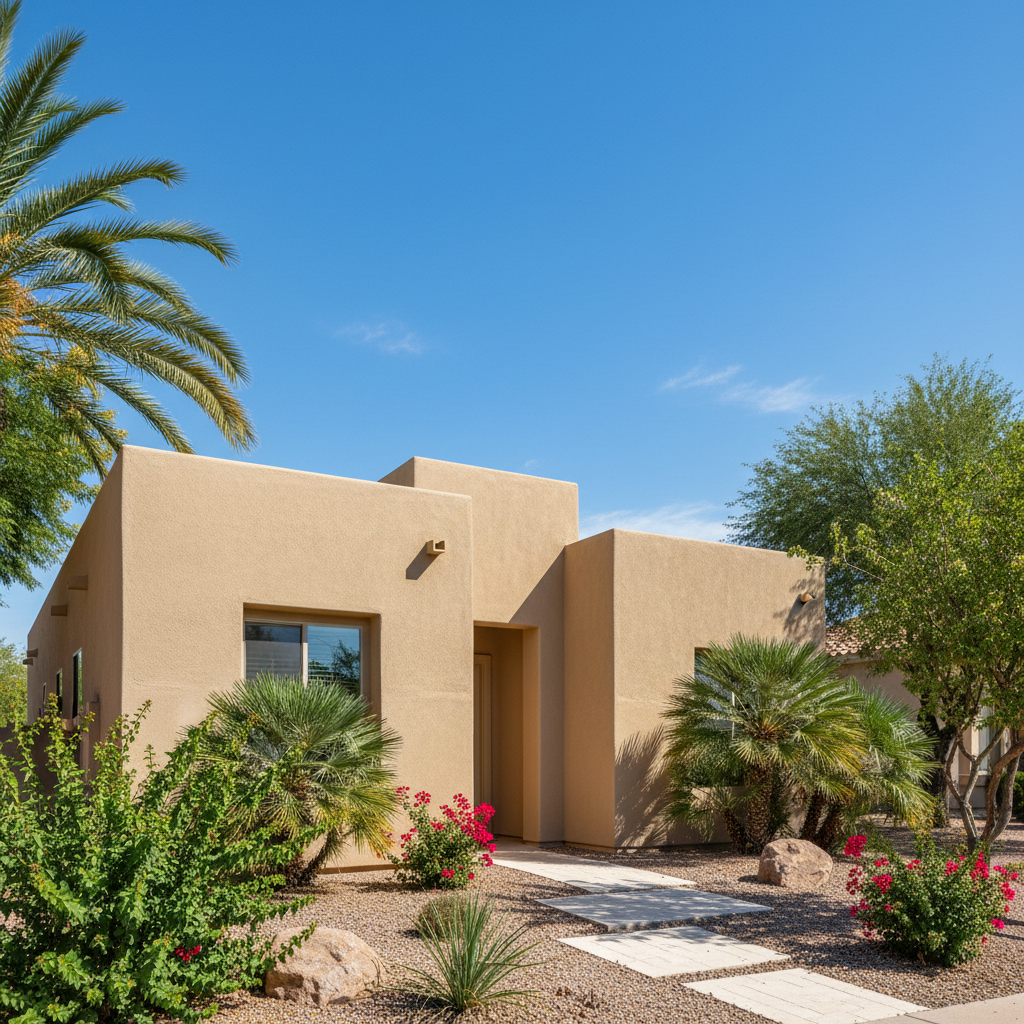
Alright, let's talk stucco here in Surprise, AZ. You've got a fantastic material on your hands, one that's really built to handle our intense desert environment. But even the toughest stuff needs just the right conditions to truly shine, especially when we're putting it on. Getting the timing right for your stucco project isn't just about what's convenient; it's about making sure your investment actually lasts and works the way it should.
When to Schedule Your Stucco Installation in Surprise
Here in Surprise, we deal with some pretty extreme weather. That means there are definitely better times than others to get your stucco work done. The sweet spot for applying stucco, generally, is when temperatures are moderate—ideally somewhere between 50°F and 85°F. Why? Well, stucco is a cement-based material, and it needs very specific conditions to cure correctly. It's a bit finicky, you know?
- Spring (Late March to Early May): This is prime time, no doubt about it. The days are warm but not scorching, and the nights aren't too cold. This lets the stucco dry and cure evenly, without getting rushed or slowed down too much. You'll often see average highs in Surprise ranging from the mid-70s to mid-90s during these months.
- Fall (Late September to Early November): Another excellent window. Our triple-digit summer heat finally starts to back off, and we get those beautiful, cooler days. Average highs are typically in the 80s and 90s, dropping to the 70s by November. Just keep an eye out for those sudden temperature drops at night as we get later into fall, and any unexpected early rains.
You really want to avoid the extremes. That means our brutal summers and the colder parts of winter, if you can.
Weather Conditions That Affect Stucco Work
Our desert climate throws a few curveballs that contractors like us at Skyline Stucco Solutions have to think about. It's not just the temperature; moisture and wind play a big part too.
The Heat is On (and On, and On)
Surprise summers are no joke. We're talking average daily highs above 98°F from late May to mid-September, often hitting 106°F in July. If you apply stucco when it's too hot, it can dry way too quickly. When stucco dries too fast, you can end up with surface cracks, improper curing, and a weaker finish overall. If we absolutely have to work in hotter conditions, we take extra steps—like misting the stucco to control the drying process—but it's always better to skip those peak summer months if at all possible.
Monsoon Season: A Different Kind of Challenge
While we all love the relief the monsoons bring, they're just not ideal for fresh stucco. Our monsoon season officially runs from June 15th through September 30th, bringing with it more thunderstorms, heavy rain, high winds, and dust storms. Rain can absolutely ruin the curing process, washing the material away or weakening it before it even sets. Strong winds and dust can mess with the application and curing too.
Even though Surprise is generally dry, those sudden downpours can be intense, especially in areas like the Marley Park neighborhood where homes often have stucco exteriors. You really don't want your freshly applied stucco getting hammered by a monsoon storm.
Winter's Chill
Our winters are mild compared to other places, sure, but temperatures can still drop. December, our coldest month, sees average lows around 43°F. Stucco shouldn't be applied when temperatures consistently fall below 40°F. Cold weather slows the curing process way down, and freezing temperatures can make the water in the mix expand, which leads to cracks and other structural problems. Not good.
Protecting Your Stucco Investment Year-Round
Once your stucco is properly installed, you'll want to keep it looking good and working well. Here's how to protect your investment in our desert climate:
- Regular Inspections: Walk around your home a few times a year. Look for hairline cracks, especially around windows, doors, and corners. Catching small issues early stops them from becoming big, expensive problems later.
- Seal Cracks Promptly: Hairline cracks are common as stucco expands and contracts with our temperature swings. Fill these with a flexible, paintable sealant, ideally before monsoon season rolls around. This stops water from getting behind the stucco, which is the real danger.
- Waterproofing: Even in our dry climate, water can be an issue from irrigation runoff or those heavy monsoon rains. Think about having a breathable sealant applied every 5-7 years, or after any major repairs. This protects against moisture getting in while still letting the stucco breathe.
- Repainting: Our intense sun and UV rays can make stucco color fade over time, especially on south and west-facing walls. A good quality elastomeric or masonry paint not only freshens up the look but also adds a protective layer and can bridge tiny cracks. Most homes in our area need repainting every 7-12 years. Lighter colors can also help reflect heat and keep your home a bit cooler.
- Manage Water Around Your Home: Make sure your sprinklers aren't constantly hitting your stucco. Keep them aimed at your landscaping. Also, double-check that your gutters and downspouts are clean and directing water away from your foundation.
Stucco is a fantastic, durable choice for homes in Surprise, AZ. It handles our heat well, offers some insulation, and looks great. But like anything, it needs a little thought and care. By timing your installations right and keeping up with some basic maintenance, you'll ensure your stucco exterior protects your home and looks sharp for a long, long time.