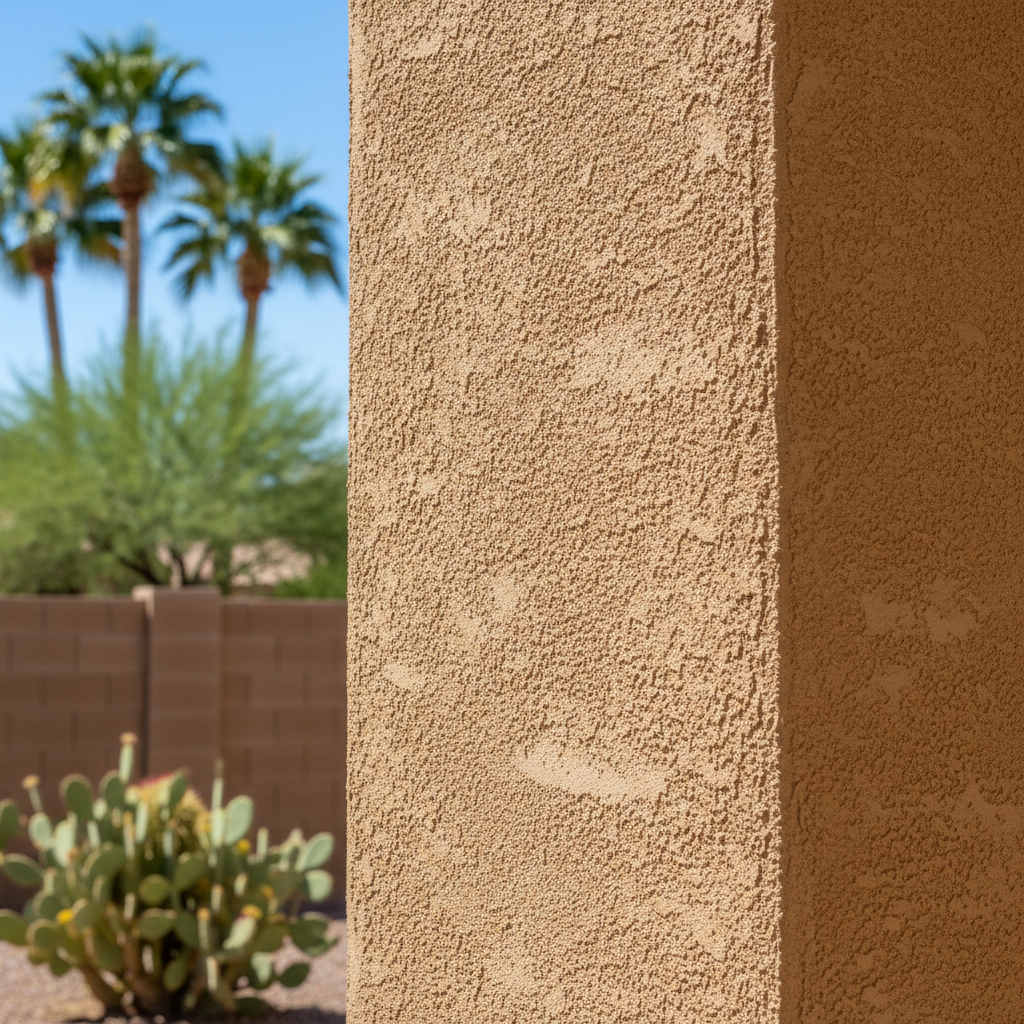
So, you're looking into EIFS for your home here in Surprise. Maybe you've heard it's great for insulation, or you like the smooth finish it can give. Whatever the reason, it's a solid choice, but it's not a weekend DIY project for most folks. I've seen a lot of EIFS jobs over the years, good and bad, and I want to give you the straight scoop on what you're really getting into.
What is EIFS, Anyway?
EIFS stands for Exterior Insulation and Finish System. Think of it as a layered cake for your house. You've got a foam insulation board, usually expanded polystyrene (EPS), attached to your wall. Then there's a base coat, which is a cementitious material reinforced with fiberglass mesh. And finally, a textured finish coat that gives it its color and look. It's different from traditional stucco, which is basically cement, sand, and lime. EIFS is lighter, offers better insulation, and can be more flexible, which is a big plus with our shifting desert soils here in areas like Sun City Grand.
Before You Start: Planning Your EIFS Project
This is where you can do a lot of legwork yourself, and it's crucial.
- Research, Research, Research: Understand the different types of EIFS. There are 'barrier' EIFS and 'drainage' EIFS. In our climate, especially with our monsoon rains, a drainage system EIFS is almost always the better choice. It allows any moisture that gets behind the system to drain out, preventing problems.
- Check Your Walls: Is your existing sheathing in good shape? Any rot or water damage needs to be addressed before EIFS goes on. You can poke around, look for soft spots. If you find anything, that's a job for a carpenter or a general contractor, not something to cover up.
- Budget Realistically: EIFS isn't the cheapest option upfront, but its energy efficiency can save you money in the long run. Get multiple quotes. Don't just go for the lowest bid; look for experience and good reviews.
- Permits are a Must: You'll absolutely need a building permit from the City of Surprise for EIFS installation. Don't skip this. It ensures the work is inspected and meets local codes. You can usually start this process yourself online or at the city's development services department.
- Color and Texture Samples: Get samples! Don't just pick from a brochure. See how the colors look in our intense Arizona sun throughout the day. Textures can look very different in person than in a picture.
During Installation: What to Expect
This is where the pros really shine. I'm telling you now, applying EIFS correctly is an art and a science. It's not like painting a wall.
- Scaffolding and Prep: Expect scaffolding to go up. Your yard will be a construction zone. The crew will prep the walls, making sure they're clean and sound. This might involve power washing or minor repairs.
- Insulation Board Attachment: The foam boards are attached to your sheathing. This needs to be done precisely, with proper adhesives and sometimes mechanical fasteners. Gaps mean energy loss.
- Base Coat and Mesh: This is critical for strength and crack resistance. The fiberglass mesh is embedded into the wet base coat. If this isn't done right, you'll see cracks appearing prematurely. This requires specific tools and expertise to get smooth and consistent.
- Finish Coat Application: The final layer. This is where the color and texture come in. It needs to be applied evenly and consistently to avoid blotches or uneven patterns. Our dry, hot weather means it sets fast, so the crew has to work quickly and expertly.
- Flashing and Sealants: This is probably the most important part for preventing water intrusion, especially around windows, doors, and rooflines. Proper flashing and sealant application are non-negotiable. If water gets behind the EIFS and can't drain, you're looking at potential rot and mold. This is 100% a professional job; don't even think about tackling this yourself.
You can monitor the progress, ask questions, and make sure the site is kept reasonably tidy. But leave the actual application to the folks who do it every day. That's where a company like Skyline Stucco Solutions comes in – we've got the experience to do it right the first time.
After the EIFS is On: Maintenance and Care
Once your EIFS is installed, it's pretty low maintenance, but not no maintenance.
- Regular Cleaning: A gentle power wash (low pressure!) or just a hose and a soft brush will keep it looking good. Avoid harsh chemicals or abrasive scrubbing.
- Inspect for Damage: Walk around your house a couple of times a year. Look for any cracks, impact damage, or areas where sealants might be failing around windows or doors. Our intense sun can be tough on sealants over time.
- Repair Promptly: If you see small cracks or dings, get them fixed. Minor repairs are usually pretty easy for a professional. Don't let them become bigger problems. You can buy small repair kits for very minor surface dings, but anything that goes through the finish coat should be handled by someone who knows EIFS.
- Avoid Impact: EIFS is durable, but it's not indestructible. A hard impact from a ladder, a baseball, or even a misplaced garden tool can create a divot. Be mindful when working around your home.
EIFS is a fantastic system when installed correctly. It'll make your home more energy-efficient and give it a great look. Just remember, while you can handle the planning and post-installation care, the actual application is a specialist's job. Don't cut corners on that part, or you'll regret it down the road.