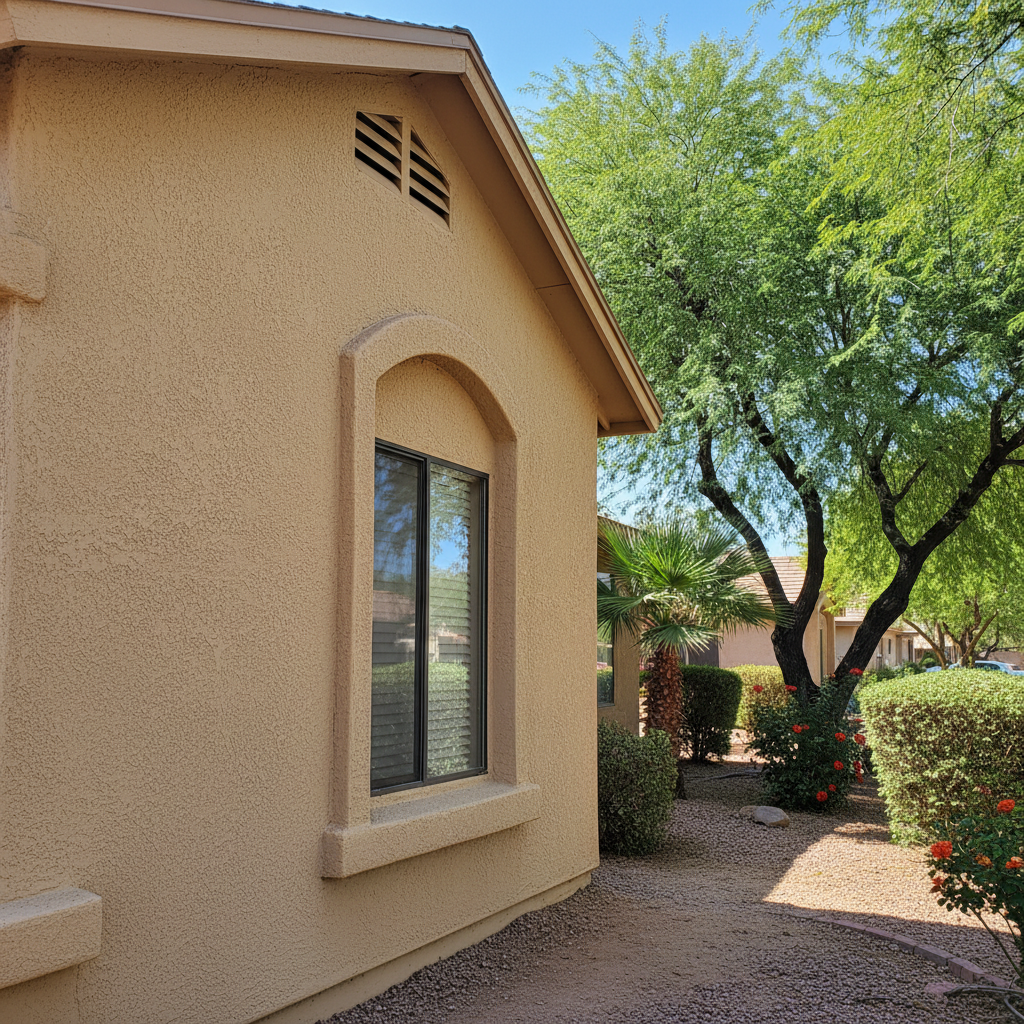
Running a business in Surprise? That's a lot to juggle. The last thing you want on your mind is your building's exterior falling apart. But let's be honest, that stucco facade works hard every single day, taking a real beating from our Arizona sun, dust, and those occasional monsoon downpours. Good news, though: with a little know-how and some regular upkeep, you can keep your commercial stucco looking sharp and performing its best for years, maybe even decades.
Making Your Commercial Stucco Last Longer
Think of your stucco as your building's shield. To keep that shield strong, you've got to stay ahead of things. Here in Surprise, the sun is probably the biggest threat. UV rays break down finishes over time, which leads to fading and eventually cracks. Water, even if it's rare, is another major problem. If water gets behind the stucco, you're in for trouble.
My best advice for getting more life out of your stucco? Keep it clean and keep it sealed. A good quality paint or elastomeric coating, put on correctly, can add years to your stucco's life, especially if it's made to reflect UV rays. This isn't just about looking good, you know; it's about adding an extra barrier against the elements. When we take on a job, whether it's for a retail center over in Marley Park or an office building downtown, we always talk about the right finish for our climate. It truly makes a huge difference.
What "Regular Maintenance" Really Means
You don't need a construction degree to keep an eye on your stucco. Most of the regular maintenance is pretty simple, and frankly, people often forget about it. Here's what I tell my commercial clients:
- Wash it down: At least once a year, give your building a good wash. Use a low-pressure washer or even just a garden hose with a soft brush and some mild detergent. Get rid of the dust, dirt, and any mildew that might be trying to grow in shaded spots. Just remember, high-pressure washing can damage stucco, so be gentle.
- Check your caulking: This one's critical. Look at all the places where stucco meets another material – around windows, doors, expansion joints, utility pipes. The caulk is your first defense against water. If it's cracked, dried out, or pulling away, it's not doing its job anymore.
- Inspect for damage: Take a walk around your building a few times a year. Look for cracks, chips, or areas where the stucco might be bulging or feel soft. Pay extra close attention after a big storm or a particularly windy week.
- Trim back landscaping: Keep bushes, trees, and vines from growing directly against the stucco. They can trap moisture, scratch the surface, and even provide pathways for insects.
These simple checks can help you catch small issues before they turn into big, expensive headaches.
Warning Signs That Something's Wrong
Sometimes, even if you do everything right, things still go sideways. Knowing what to look for can save you a ton of stress and money. Here are some red flags that tell you your stucco might need more than just a quick wash:
- Cracks: Not all cracks are bad, of course. Hairline cracks are pretty normal as stucco expands and contracts. But if you see cracks wider than a credit card, or if they're in a spiderweb pattern, or if they're horizontal and stretch for more than a few feet, that's a problem. These can be entry points for water.
- Stains or discoloration: Dark streaks, especially below windows or near the roofline, often mean water is getting in and running down behind the stucco. Green or black patches could be mold or mildew, which usually indicates trapped moisture.
- Bulging or soft spots: If you push on a section of stucco and it feels soft, spongy, or bulges out, that's a serious sign of water damage and possibly rot underneath. You definitely shouldn't ignore this.
- Peeling or blistering paint: If the paint or coating on your stucco is peeling, bubbling, or flaking off, it often means moisture is trapped underneath, trying to escape.
- Efflorescence: This is a white, powdery substance that can show up on stucco. It's mineral salts left behind when water evaporates from inside the stucco. It's a clear signal that water is present where it shouldn't be.
Any of these signs mean it's time to dig a little deeper.
When to Call a Professional
Look, I'm a big fan of DIY for small stuff. But when it comes to your commercial stucco, knowing when to bring in the pros is absolutely key. You should definitely get Skyline Stucco Solutions on the phone if you spot any of those major warning signs I just mentioned.
- Significant cracking: If you've got wide, deep, or extensive cracks, especially around openings, a professional needs to check the structural integrity and potential for water intrusion. Patching it yourself might just be a temporary fix that hides a bigger issue.
- Water damage indicators: Any signs of bulging, soft spots, mold, or persistent staining mean you likely have water getting behind the stucco. This requires an investigation to find the source, fix the damage, and properly seal the stucco. It's not just about fixing the surface; it's about fixing what's underneath.
- Stucco delamination: If sections of stucco are detaching from the wall, flaking off in large pieces, or sounding hollow when you tap them, that's a structural issue that needs expert attention.
- Major recoating or repainting: While you can wash your stucco, putting on a new elastomeric coating or repainting a large commercial building is a job best left to experienced stucco contractors. We know the right materials for our climate and how to apply them properly for maximum longevity.
- Regular inspections: Even if you don't see obvious problems, having a professional inspect your commercial stucco every few years can catch issues before they even become visible. We know what to look for and where the common failure points are, especially with our desert climate and the way buildings settle here.
Your business building is a huge investment. Taking care of its exterior isn't just about curb appeal; it's about protecting that investment and avoiding costly repairs down the line. A little attention now can save you a lot of headaches later.